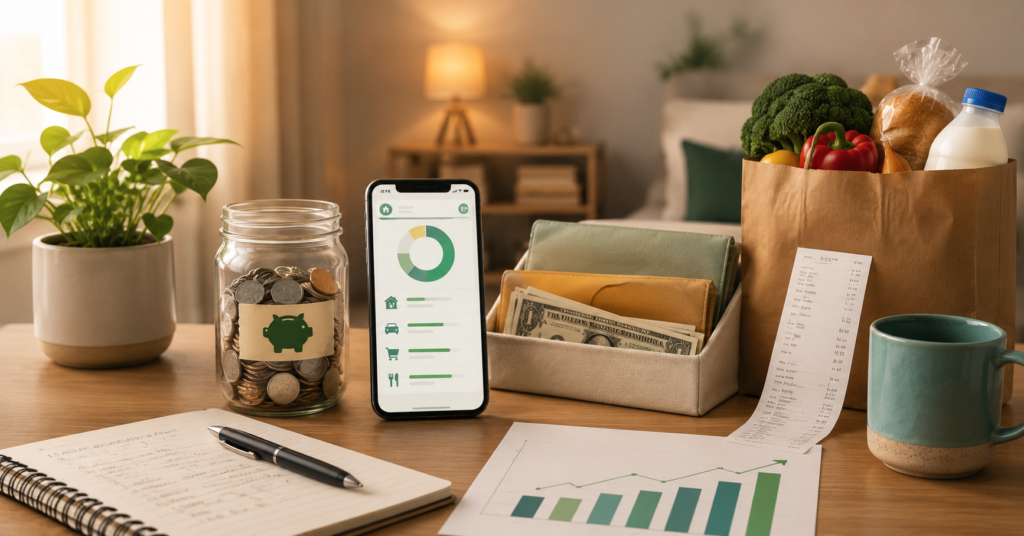
If you’re trying to figure out how to save money fast on a low income, I know how frustrating it feels. Most advice sounds like it was written by someone who’s never had $42 left before payday. “Just cut back” doesn’t help much when rent, groceries, gas, and bills already eat almost everything.
The good news is that saving money on a tight income is still possible — but it’s got to be practical. You need small wins, automatic systems, cheaper tools, and a plan that doesn’t depend on perfect discipline. This guide focuses on realistic moves that can actually help you save faster in 2026 without pretending life is easy.
Why Saving on a Low Income Feels Impossible in 2026
Saving feels impossible because most households are dealing with higher living costs while wages aren’t keeping up. The fastest path forward isn’t one magic trick. It’s a combination of cutting leaks, automating savings, using better financial tools, and picking up small income streams when you can.
The Reality of Rising Costs vs. Stagnant Wages
When income stays flat and groceries, rent, insurance, and utilities keep climbing, saving feels like trying to fill a bucket with a hole in it. I used to think I had a discipline problem — but the real issue was that my fixed expenses were sitting too close to my income with almost nothing left between them.
That means the first goal isn’t becoming perfect. The first goal is creating breathing room. Even $10 to $25 per week matters when it stays consistent.
Start by separating your expenses into three groups:
- Must-pay bills like rent, utilities, insurance, and minimum debt payments
- Flexible spending like groceries, gas, subscriptions, and phone plans
- Leak spending like impulse orders, convenience fees, and forgotten renewals
Most low-income savers don’t have much wiggle room in the first group. The fastest progress usually comes from the second and third.
Common Psychological Barriers to Saving Small Amounts
The hardest mental trap is thinking small savings don’t count. When you can only put aside $5 or $10, it feels pointless. But that mindset is exactly what keeps people stuck.
Small savings build the habit first. The habit builds confidence. Confidence is what eventually leads to bigger changes.
I started taking saving seriously when I stopped waiting for a “perfect month.” There was no perfect month. I had to build the system inside messy, real life — and that was actually okay.
Immediate Tactics to Save Money Fast Today
The quickest way to save money today is to go after spending leaks before they disappear into everyday life. Focus on groceries, subscriptions, bank fees, and impulse purchases first — those categories tend to change the fastest.
Optimizing Your Grocery Budget with 2026 Tech
Groceries are one of the easiest places to lose money without noticing. A few extra snacks, name-brand swaps, or last-minute delivery fees can quietly wreck a weekly budget.
My fastest grocery savings came down to three simple rules:
- Build meals around what’s already in the kitchen
- Check store apps before shopping, not while standing in the aisle
- Buy repeat staples in bulk only when they actually get used
Cash back apps and digital coupons help, but they can also tempt you into buying things you never planned on. I only count a deal as real savings if I was going to buy the item anyway.
A simple grocery rule that actually works: plan five cheap meals, buy only for those meals, and leave one flexible slot for leftovers.
Practical No-Spend Challenge for 30 Days
A no-spend challenge doesn’t mean spending zero dollars. It means spending only on planned essentials for a short stretch of time.
For 30 days, pause these categories:
- Takeout and delivery
- Random online shopping
- Paid entertainment
- Extra clothes or home items
- Unplanned convenience purchases
The goal isn’t punishment. The goal is finding money that was quietly leaking out. Even if you save only $150 in one month, that’s a real start on your emergency fund.
Building Your First $1,000 Emergency Fund Step-by-Step
The first $1,000 matters because it keeps small emergencies from turning into credit card debt. You don’t need to save it all at once. You need a weekly target and a place to keep that money completely separate from your spending cash.
Simple Strategies to Reach the $1,000 Milestone
Break the goal into smaller numbers. Saving $1,000 sounds heavy. Saving $20 five times feels a lot more doable.
Here’s a simple path that actually works:
- Save $10 to $25 from every paycheck first — before anything else
- Move any refund, rebate, or cash gift directly into savings
- Sell unused items and save the full amount
- Use one no-spend weekend per month
- Round up purchases manually and transfer the difference weekly
The trick is removing choice. If money sits in your checking account, it usually gets spent. If it moves to savings right away, it has a much better shot at surviving the week.
Where to Stash Your Emergency Cash for Safety
Your emergency fund should stay safe, easy to access, and completely separate from daily spending. This is not money for investing or experimenting with.
A high-yield savings account can help small balances grow a little faster while still keeping cash available when you need it. The interest rate matters, but access matters just as much. Avoid accounts that make emergency withdrawals slow or frustrating.
I keep emergency money in a separate account on purpose because it creates friction. If I have to transfer it first, I think twice before I actually touch it.
Best Financial Tools for Low Income 2026
Top-Rated Budgeting Apps for Better Tracking
A budgeting app won’t magically fix a low income, but it will show you exactly where the money is going. That visibility matters — most people seriously underestimate how many small recurring charges are quietly running in the background.
I started using Rocket Money when I realized I was paying for subscriptions I’d completely forgotten about. Seeing all those charges in one screen made it easy to cancel what I didn’t need and redirect that money into savings instead. Try Rocket Money Free.
Budgeting apps work best when you check them weekly. Daily checking gets stressful fast. Monthly checking is usually too late to fix anything. Weekly gives you enough time to adjust before the budget falls apart.
High-Yield Accounts for Small Balances
Small balances still deserve a decent home. A high-yield account won’t make you rich overnight, but it helps your emergency fund grow while staying physically separate from your everyday spending money.
After switching to SoFi, I noticed that keeping savings outside my main checking account made a bigger difference than I expected. The money felt less available for impulse spending, and seeing small interest deposits every month actually kept me motivated to keep adding to it. Open a SoFi Account Today.
Before opening any account, check the fees, minimums, transfer speed, and whether the app fits how you actually bank. A slightly lower rate with fewer headaches can easily beat a high rate that’s annoying to deal with.
Maximizing Income with Debt Payoff Strategies
Weekly-Pay Side Hustles for Quick Cash Injection
When income is tight, cutting expenses helps — but extra cash can move the needle faster. The best side hustle isn’t always glamorous. It’s usually the one that pays quickly and actually fits your schedule.
Useful short-term options include:
- Weekend delivery work
- Babysitting or pet sitting
- Local cleaning jobs
- Selling unused items
- Simple freelance tasks
- Overtime or extra shifts when they come up
I prefer side income with a clear purpose attached to it. Something like: “every extra dollar this month goes straight to my first $500 emergency fund.” Without a specific target, extra income has a way of disappearing into normal spending without a trace.
Free tool: Download Free Low Income Savings Starter Kit and use it to track spending leaks, weekly savings, and your first $1,000 emergency fund goal.
Best Debt Payoff Methods for Low-Earners
Debt makes saving harder because interest steals future income before you even see it. If you’re trying to save and pay off debt at the same time, start with a small emergency buffer first — then go after the high-interest debt.
Two methods tend to work well:
- Debt snowball: Pay the smallest balance first for quick motivation wins
- Debt avalanche: Pay the highest interest debt first to shrink total interest paid
On a low income, I usually lean toward a blended approach. Build a small emergency fund, knock out one small debt for momentum, then shift focus to the high-interest balances. Don’t let minimum payments slip while you’re doing this — late fees make everything worse.
FAQ: Saving Money on a Low Income
Saving on a low income starts with small automatic transfers, hunting down spending leaks, and setting realistic goals you can actually hit. You don’t need a perfect budget. You need a repeatable system that holds up during normal stressful weeks — not just good ones.
Common Concerns and Quick Answers
How can I save money fast with a low income?
Start with a 30-day spending reset, cancel unused bills, bring grocery costs down, and automate a small transfer every payday. Even $10 or $20 per week builds real momentum when you actually protect it.
What is the easiest way to save money when you have little money?
Save before you spend. Move a small amount to a separate account right after payday, then build the rest of your budget around whatever’s left. It sounds almost too simple, but it genuinely works.
How to save $1,000 fast on a low income?
Break it into weekly targets, run a no-spend challenge, sell unused items, and send every extra dollar to a dedicated emergency fund. Focus on the first $250 first — then repeat the same process three more times.
Realistic Financial Goals for the Near Future
What are the most creative tips for saving in 2026?
Use grocery pickup to cut impulse buys, set app alerts for subscription renewals, try cash-only weekends, and create separate savings buckets for specific emergencies. The best creative tip is making spending harder and saving automatic.
Is it possible to save $10,000 on a low income in 2026?
Yes — but it usually takes time, structure, and some extra income layered in. Start with $1,000, then work toward one full month of expenses before setting your sights on a bigger number.
The real answer to how to save money fast on a low income isn’t one extreme hack. It’s a simple repeatable system: cut leaks, automate small savings, protect your emergency cash, use the right tools, and increase income where you can. Want monthly tips that actually work for tight budgets? Download Free Low Income Savings Starter Kit and join the email list for simple weekly strategies.