If you’re searching for how to pay off debt fast on low income 2026, you probably already know that trapped feeling — costs keep climbing while your paycheck stays the same. I’ve been there. For a long time, most of my income was gone before I even had a chance to think about making real progress on debt.
What frustrated me most wasn’t the balance itself. It was how slowly things moved no matter how hard I tried. Eventually I figured out the problem wasn’t just income — it was strategy. Interest was quietly eating my progress every month, and my budget had no real structure behind it.
This guide covers the actual systems, tools, and mindset shifts that help people make faster debt progress on a tight income in 2026 — not shortcuts, just things that genuinely work.
Why Low-Income Earners Stay Stuck in Debt
The Gap Between Minimum Wage and Rising Costs
One of the biggest reasons people on lower incomes struggle with debt is just math. Housing, groceries, transportation, insurance, utilities — all of it rose faster than wages in most places. Even responsible people fall behind when every dollar already has somewhere to go before payday even arrives.
Most low-income earners are juggling:
- High-interest credit cards
- Rent increases
- Medical bills
- Transportation costs
- Food inflation
- Unexpected emergencies
That pressure pushes people into survival spending — just getting through the month — instead of planning ahead. And once you stop believing progress is possible, debt becomes really hard to fight.
The Missing Budget System Most People Never Learn
Most people were never actually taught how to budget under financial pressure. They get told to “spend less” without any practical system to follow.
Before I changed my approach, my process looked like this:
- Estimate expenses roughly in my head
- Pay minimums on autopilot
- Hope extra money showed up somehow
- Avoid checking balances too often
That created constant low-level anxiety without solving anything. The turning point came when I started tracking every spending category on purpose instead of avoiding the numbers altogether.
The 2026 Debt Payoff Roadmap for Low-Income Earners
Figuring out how to pay off debt fast on low income 2026 starts with one core idea: every dollar needs a job before it gets spent.
The goal isn’t perfection. It’s building enough consistency to slowly reduce interest pressure while stopping new debt from piling on.
Snowball vs Avalanche on a Tight Budget
The snowball method means paying off your smallest debt first. The avalanche method means attacking your highest interest rate first. Both work — the right one depends on your psychology and your situation.
Snowball tends to help people who need quick wins to stay motivated. Avalanche saves more money over time because it attacks expensive interest first.
For tight budgets, here’s how I’d think about it:
- Use snowball if your motivation keeps collapsing
- Use avalanche if your interest rates are extremely high
- Don’t constantly switch between both
- Give any system a few months before judging it
The most common mistake is restarting from scratch over and over without letting anything actually work.
Zero-Based Budgeting When Every Dollar Counts
Zero-based budgeting genuinely changed how I thought about money. Instead of wondering where everything went at the end of the month, I assigned every dollar a purpose before spending it.
Categories looked something like:
- Rent
- Groceries
- Transportation
- Debt payments
- Emergency savings
- Utilities
- Minimum entertainment spending
This works especially well on low income because it forces you to be honest. Even small spending leaks show up quickly once every category gets tracked.
Best Tools and Apps to Speed Up Debt Repayment in 2026
Budgeting Apps That Automate Debt Tracking
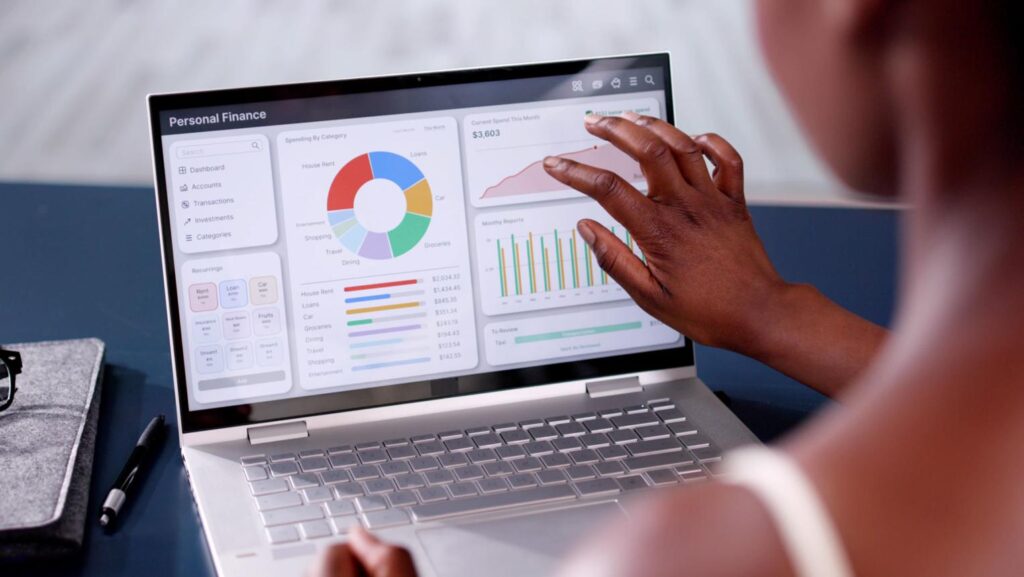
Tracking manually sounds manageable at first, but most people stop within a few weeks because spreadsheets get tedious fast.
I’d tried spreadsheets for years but never really stuck with them. YNAB was different — seeing exactly where every dollar was going, including the small stuff I’d been ignoring, gave me the push I needed to actually stay on track.
You can explore it here: Try YNAB.
Budgeting apps help because they handle:
- Category tracking automatically
- Spending pattern analysis
- Debt progress charts
- Payment reminders
- Cash flow visibility
- Monthly summaries
The biggest shift is just visibility. Once you can clearly see where money is going, debt payoff stops feeling abstract and starts feeling manageable.
How to Use Balance Transfers on Low Income
Balance transfers can help in specific situations, but they’re not a fix on their own. The benefit is simple — reduce high-interest payments temporarily so more of your money goes toward principal instead of disappearing into interest charges.
They only actually work if:
- You stop adding new debt while using them
- You understand what the transfer fees are
- You already have a repayment plan in place
- You track promotional deadlines carefully
For some people on low income, lowering interest pressure creates just enough breathing room to finally start making real progress. For others, it just delays the problem if the underlying habits don’t change.
Side Income Strategies and Risk Management
Side Hustles That Won’t Hurt Your Credit or Taxes
Extra income can speed up debt payoff dramatically — but not every side hustle is equally worth it. Some create tax complications, unpredictable income, or burnout without generating meaningful money.
When high-interest rates were eating most of my payments, I almost didn’t bother checking refinance options. Turns out lowering my rate through SoFi cut months off my payoff timeline — I wish I’d looked sooner.
You can explore it here: Check SoFi Options.
Safer side income options tend to look like:
- Freelance services in skills you already have
- Weekend local work
- Online microservices
- Part-time remote assistance
- Skill-based tutoring
The best side income is predictable, manageable, and won’t leave you burned out after two months.
Local Assistance Programs Worth Applying for in 2026
A lot of people skip local support programs assuming they won’t qualify. That assumption quietly costs thousands of dollars in missed relief.
Programs worth looking into:
- Utility assistance
- Food support programs
- Housing relief options
- Medical payment programs
- Local nonprofit debt counseling
- Transportation assistance
Even slightly reducing essential expenses can free up real cash for debt payments every month. Sometimes the fastest debt strategy isn’t finding more income — it’s reducing pressure.
Community Wisdom and Staying Motivated
Real Spending Cuts from the r/Frugal Community
Online debt communities are useful because people are honest in ways that polished financial advice often isn’t. Real users share the spending leaks they’d been quietly ignoring for years:
- Food delivery habits
- Stacked subscriptions nobody uses
- Impulse convenience purchases
- Forgotten memberships
- Small recurring costs that add up
The point isn’t deprivation — it’s awareness. A lot of people reported saving hundreds a month just by identifying “small” expenses they’d stopped noticing.
The Mindset Shift That Makes Debt Payoff Last
Motivation alone doesn’t work long term. The people who actually get out of debt tend to stop treating budgeting like punishment and start treating it like control.
The shift usually looks like:
- Tracking instead of avoiding
- Planning instead of just reacting
- Valuing consistency over perfection
- Focusing on progress instead of shame
Once the emotional panic around money starts to settle, the whole process becomes much more sustainable.
Want a free low-income debt payoff tracker? Download the template →
FAQ: Your Debt Payoff Questions Answered
Common Myths About Paying Off Debt on Low Income
How can I pay off debt fast on a low income?
Focus on budgeting consistency, reducing interest, and finding spending leaks before chasing complicated strategies. Structure matters more than income level in most cases.
What is the fastest way to become debt free on minimum wage?
The fastest path usually combines strict budgeting, stable side income, lowered interest costs, and a hard stop on taking on new debt. None of these alone is enough — together they create real momentum.
Are balance transfers a good idea if I have low income?
They can help if they meaningfully lower your interest and you already have a repayment plan. Without those two things in place, they tend to delay rather than solve the problem.
Adapting to the 2026 Financial Environment
What should I cut from my budget first to pay off debt faster?
Most people start with recurring non-essentials — delivery apps, subscriptions they forgot about, convenience spending, and anything that became a habit without being intentional.
Where can I get real help budgeting on a low income?
Budgeting apps, nonprofit counseling services, local assistance programs, and communities like r/Frugal or r/Budget all offer practical, real-world guidance that goes beyond generic advice.
Final Verdict
Figuring out how to pay off debt fast on low income 2026 isn’t about finding a magic trick. It’s about building a system that slowly reduces financial chaos — consistently enough that things actually change over time.
Most people fail because they rely on motivation when it’s available and give up when it isn’t. The ones who get out of debt focus on structure, visibility, and steady progress instead.
Join 6,000+ readers getting weekly debt-free tips for low incomes — free.